
Can a water-damaged drive be recovered?
Short answer
Labs regularly recover data from soaked drives: UK lab Data Clinic says its process recovers data even from severe flood damage, while being candid that not every wet drive can be saved. Corrosion starts immediately and reduces the chances over time, so a drive that stays off and reaches a lab quickly stands the best chance. Let a lab open and clean it in controlled conditions.
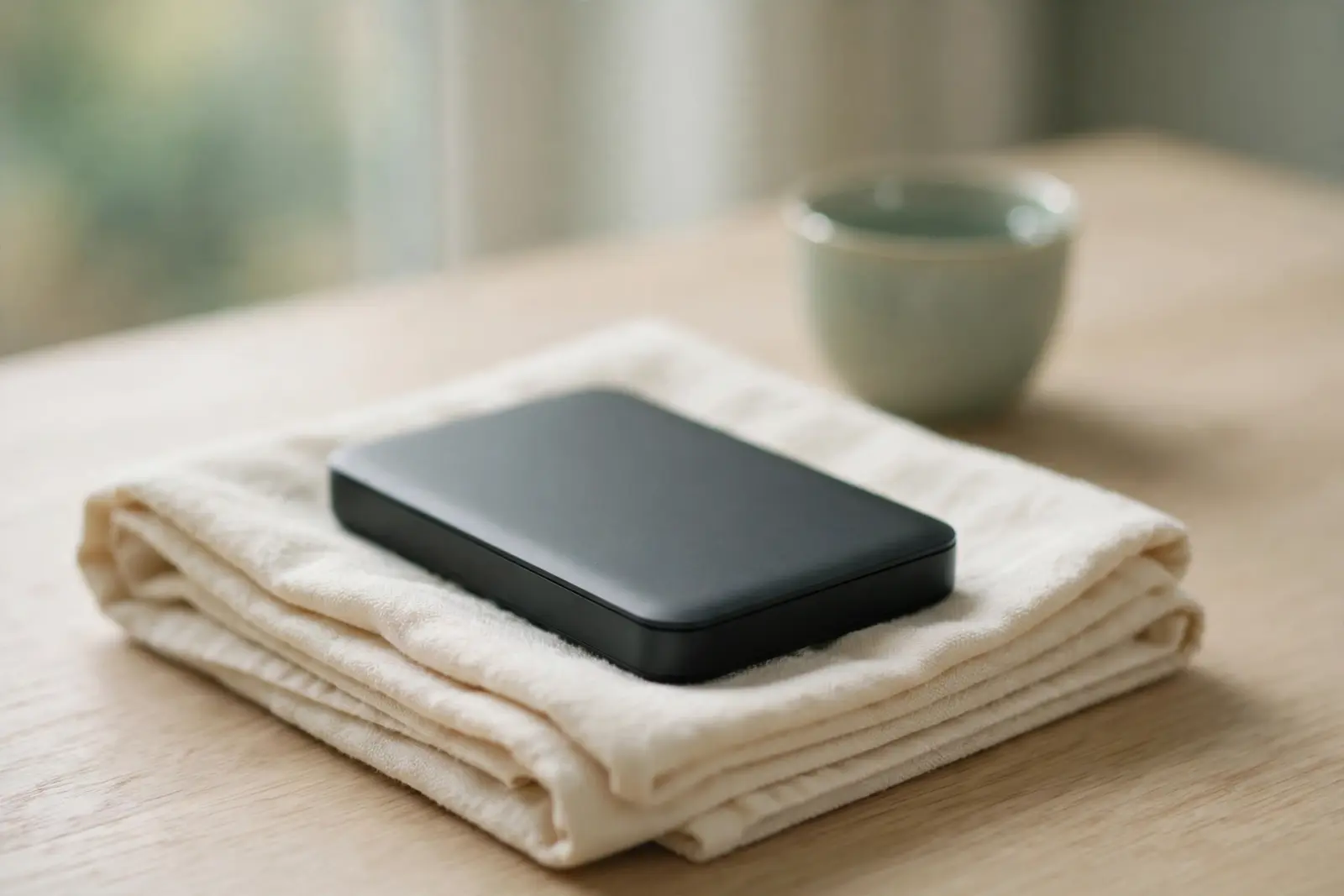
Yes, often. Data Clinic, a UK recovery lab, says its specialised process enables it to recover data from drives affected by even the most severe water damage, while its own answer to whether all wet drives can be recovered is 'not always'. What you do in the first minutes matters: keep the drive powered off, change nothing about the drive itself, and get it to a specialist before corrosion takes hold.[1]
Why the drive must stay powered off
Time is the enemy more than the water: Data Clinic states that moisture and contaminants inside a drive cause rapid corrosion and can make data loss permanent if the drive is not handled correctly. Its water damage FAQ adds that corrosion begins immediately after exposure and reduces recovery chances over time, so the sooner the drive reaches a lab, the better. That is why its first instructions are blunt: disconnect the drive, keep it powered off, and place it somewhere clean and dry rather than plugging it in to see if it still works.[1]
Three things not to do with a soaked drive: do not power it on, do not try to dry it with heat, and do not open the case to have a look. Data Clinic's don'ts for a water-damaged drive name all three, including hair dryers, radiators and sunlight as heat sources to avoid. You are not supposed to dry the drive before sending it: chemical drying in a sealed clean-room environment is part of Data Clinic's own process.[1]
Why the lab opens the drive, not you
Professional recovery means the drive gets opened, just not by you. Data Clinic's hard drive recovery page asks customers plainly: 'Please avoid opening your hard drive, as it may affect this service.' The same lab describes recovering data using advanced diagnostic tools and cleanroom techniques so the process does not risk further damage. For water damage specifically, its work runs to platter dismounting, surface treatment and chemical drying in ISO-certified clean-room laboratories: controlled work that a kitchen table cannot reproduce.[2][1]
How to choose a data recovery service
How long it takes
Once the drive is in a lab's hands, the clock mostly depends on the service level you choose. Ontrack publishes average turnaround times of 12 to 24 hours for its emergency service, 3 business days for priority and 10 business days for standard. Ontrack's process starts the same way at every level: its engineers carry out an in-depth evaluation once the device arrives, and recovery only begins once you have approved it.[3]
The data matters more than the drive
One last reframe helps. A drowned drive is spent hardware: the goal is not to rescue the drive but to rescue what is on it. Everything in the guidance above, from keeping it powered off to leaving the drying to a lab, serves that one aim. Judge each temptation by it, and the patient option usually turns out to be the obvious one.
What a clicking hard drive means
Sources
Facts on this page are cited to the publishers’ own documentation.
- [1] Data Clinic Ltd — Water & Flood Damaged Hard Drive Recovery | Data Clinic. captured 2026-09-13.
- [2] Data Clinic Ltd — Hard Drive Data Recovery: Clicking, Dead or Undetected | Data Clinic. captured 2026-09-13.
- [3] Ontrack — Data Recovery | Ontrack. captured 2026-09-13.